A Story of Migration
At a time when the issue of immigration is on the tip of every politician’s tongue, Il Paese: The Village explores the story of three generations of one family impacted by migration. Although those on both sides of the Atlantic thrived economically, each generation lost something intangible yet essential to their happiness: the everyday closeness they once enjoyed with their loved ones.
Though today appreciated in North America for their many contributions to society and culture, Italian immigrants were not initially welcome in their host countries. They were negatively depicted in the press and often couldn’t get well-paying jobs. Canada classified Italians as “undesirable” in the late 19th and early 20th centuries. Tolerated on temporary work permits for hard labour, such as building railroads and working in factories, Italian emigrés who chose to stay permanently were met with distrust and racism.
The first right of all men and women is to not emigrate.
To say, I was born here and I want to live my life here.Agostino Spataro, writer and former parliamentarian
Many of the objections are familiar today, though now aimed at other immigrant groups: fears of change to the host country’s cultural identity, job loss due to perceived increased competition and potential connections to organized crime or ideologies deemed un-Canadian, such as fascism or communism.
Sicilian migration was caused by chronic poverty, economic underdevelopment and exploitation. The feudal system trapped peasants in a vicious cycle of poverty. Even after land reforms in the late 1940s, Sicily remained one of Italy’s poorest regions. Its mostly rural population relied on subsistence farming. Malnutrition and disease were widespread. Natural disasters such as earthquakes and volcanic eruptions devastated entire towns in the blink of an eye.
Overpopulation and heavy taxation added to the sense that Sicilians had no opportunity to improve their lot.
The Sicilian population is not unique in their reasons for migration. Almost all migration is caused by environmental, economic or social challenges beyond the acceptable tolerance level of the migrants themselves. From the Irish escaping a famine, to the environmental refugees of Tuvalu, to Syrians fleeing their war-torn homeland, migration is not only the hope of a better life, it is in many cases, hope of any kind of life at all.

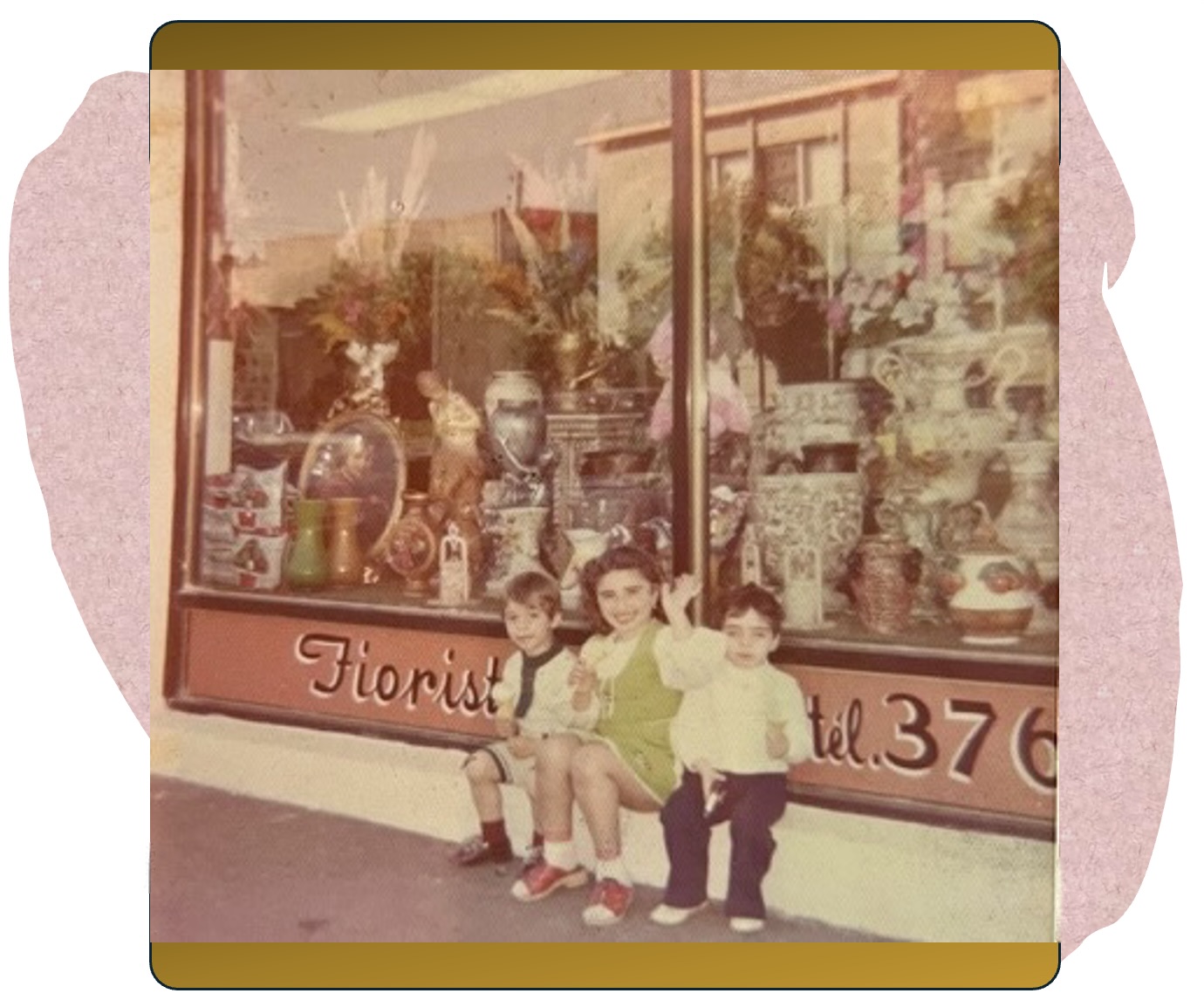
Angela Lo Dico and her husband Gaetano left Sicily for Montreal in 1965. Both worked two jobs in order to build their flower shop. More than half a century later, it remains a pillar of Montreal’s Italian community.