Sicily and the Village
Written by Francesca Lo Dico
The Island of Sicily
A link between Europe, North Africa and West Asia, Sicily has been a centre of civilization throughout history. Greek settlers colonized the island between the eighth and sixth centuries BCE, leaving behind the best-preserved Greek temples outside Greece. Centuries later, the island became the breadbasket of the Roman Empire. Sicily flourished under Byzantine and Arab rule, and was the jewel of Norman, French and Spanish monarchs.
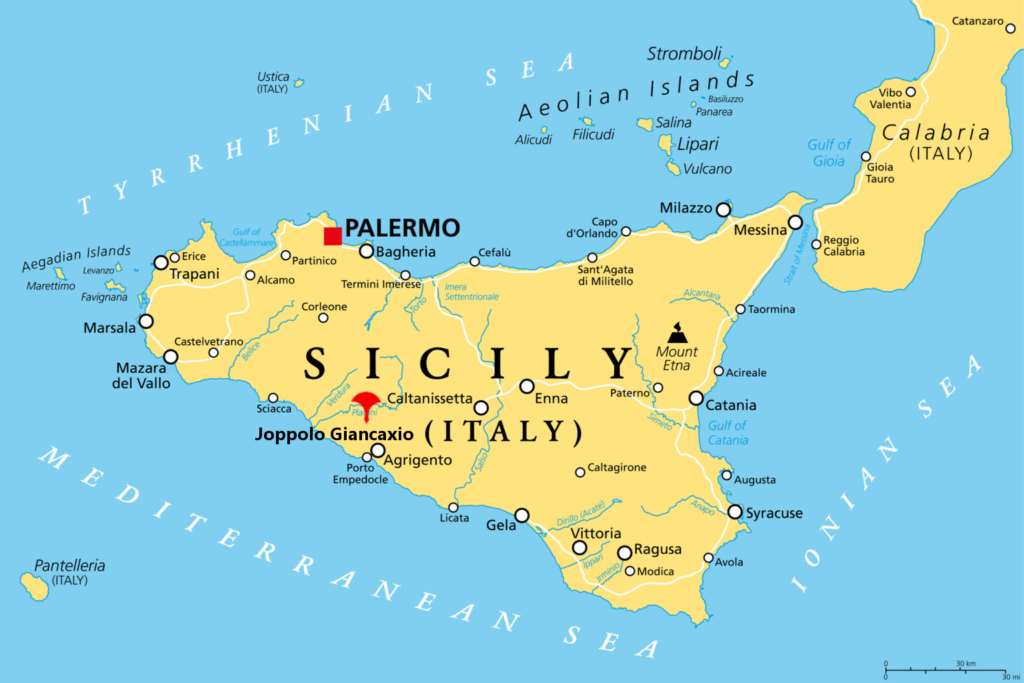
The Village of Joppolo
Joppolo Giancaxio sits on a craggy hill surrounded by lemon trees, wheat fields and hedges of prickly pear. On a clear day, the Mediterranean Sea is visible from Joppolo’s highest peak. Less than 20 kilometers away are ancient Greek temples, now a UNESCO World Heritage Site. The Joppolese speak a dialect inflected with Greek, Arab, French and Spanish, rich in proverbs, folk tales and Catholic sayings.
For centuries, village culture was an intricate web of family ties and life revolving around the agricultural cycle of planting and harvesting. With no running water until after World War II, the villagers filled their clay jugs at the fontanazza. They baked bread in communal wood-burning ovens. Their livestock roamed freely through the unpaved streets.
In the 1950s, failed agrarian reforms stemming from centuries of feudalism and constant mafia intimidation unleashed a flood of emigration. During the next two decades, Joppolo lost 67% of its population. Today, the charming village with its centuries’ old way of life is pocked by crumbling and boarded-up houses for sale to anyone willing to restore and live in them. Joppolo has an aging population and a falling birthrate. There are still few economic opportunities, so people continue to migrate.
For a few weeks in July and August, the village swells with the return of Joppolese who come home to visit. The piazza is lit up at night for concerts, line dancing and theatre. For a moment, the village reclaims its former vitality. By mid-August, Joppolo drains out, reverting to ghostly silence.
My father farmed feudal land. His pay was barely enough for flour to make bread and pasta to feed his children. This was the reality in so many Sicilian villages. So people left.
Dr. Carmelo Lo Dico
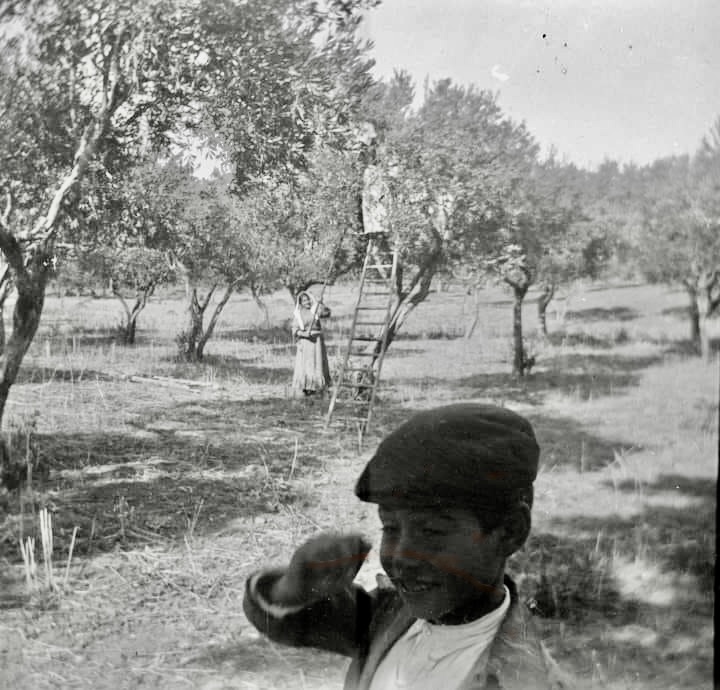
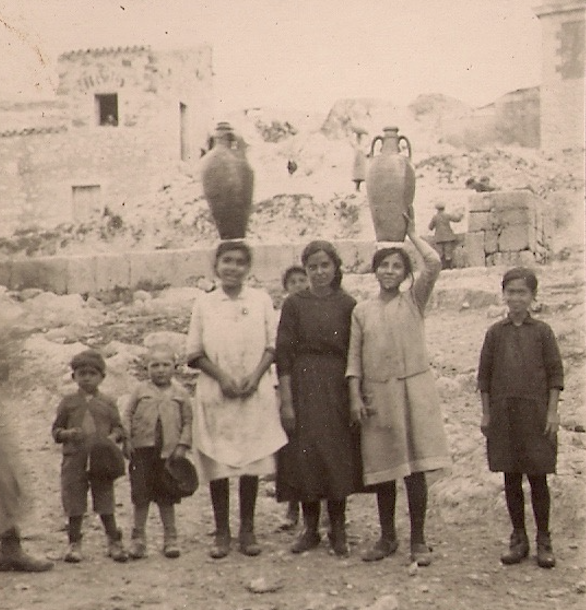
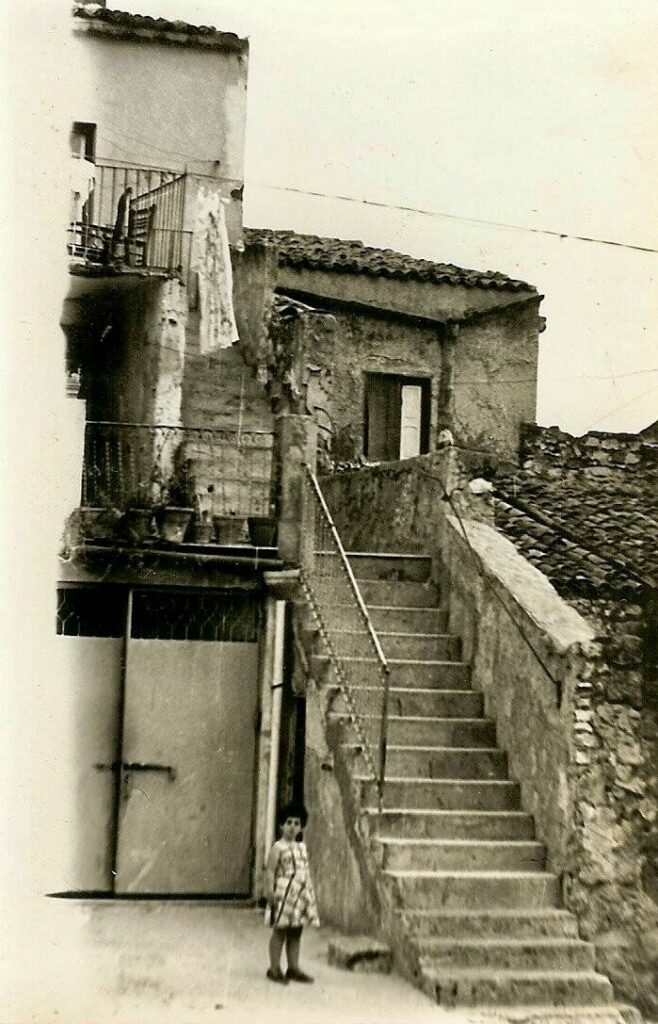
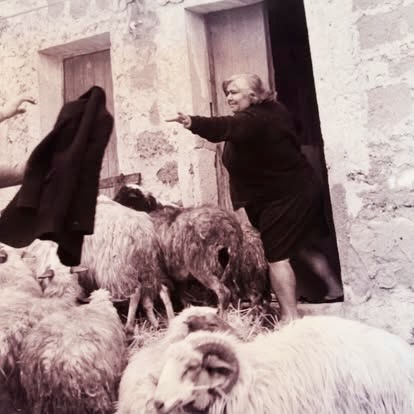
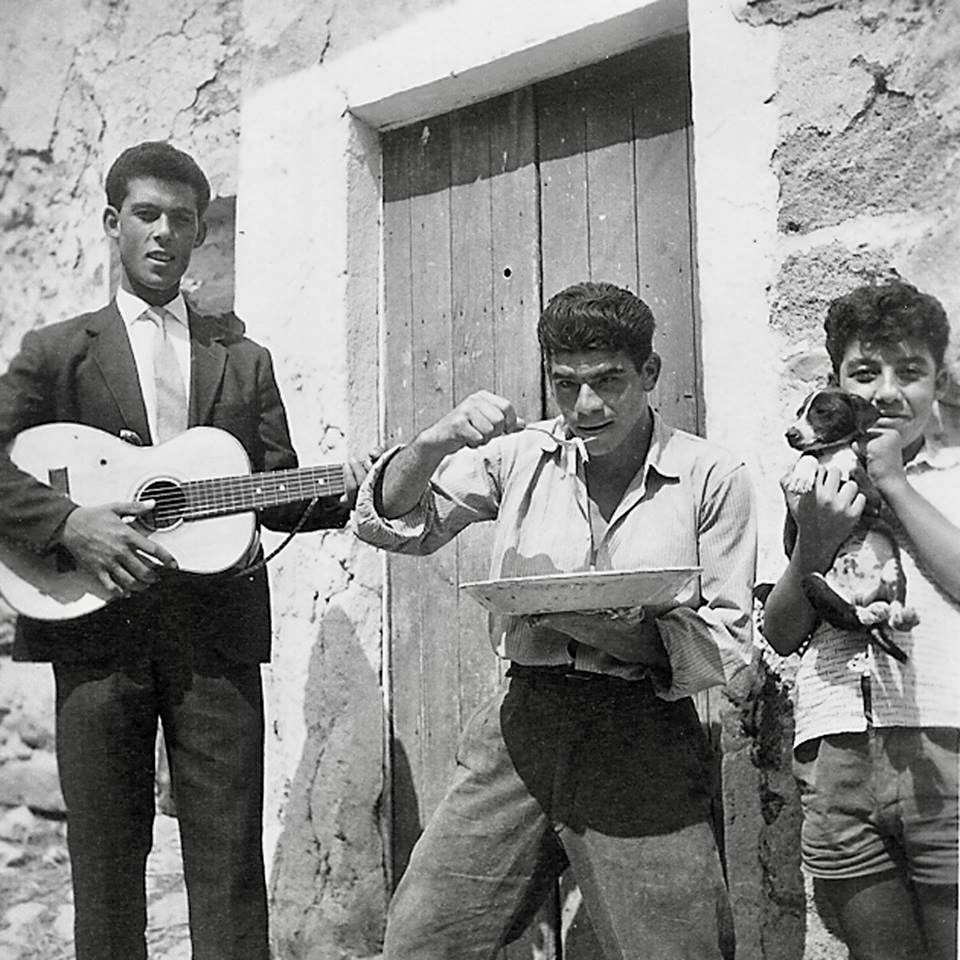
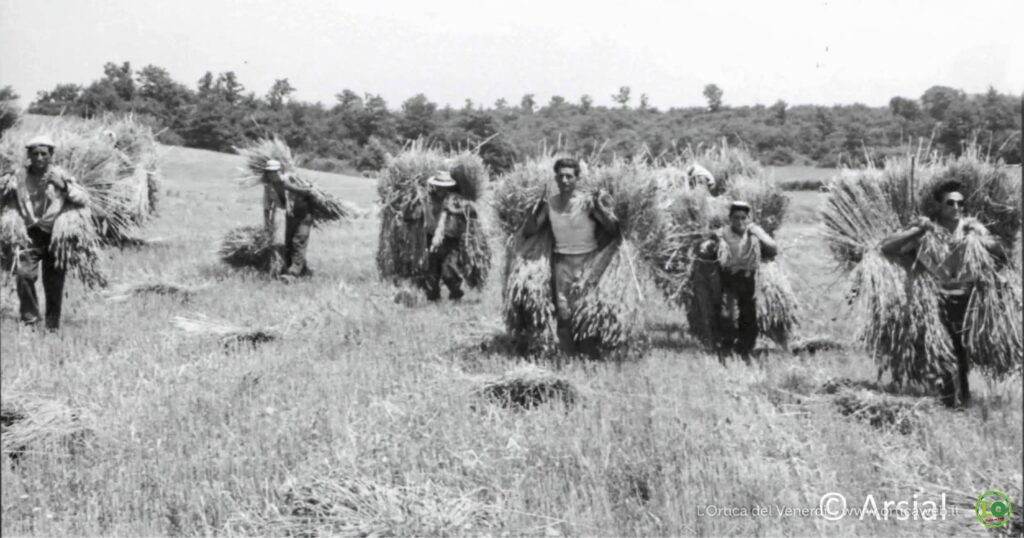
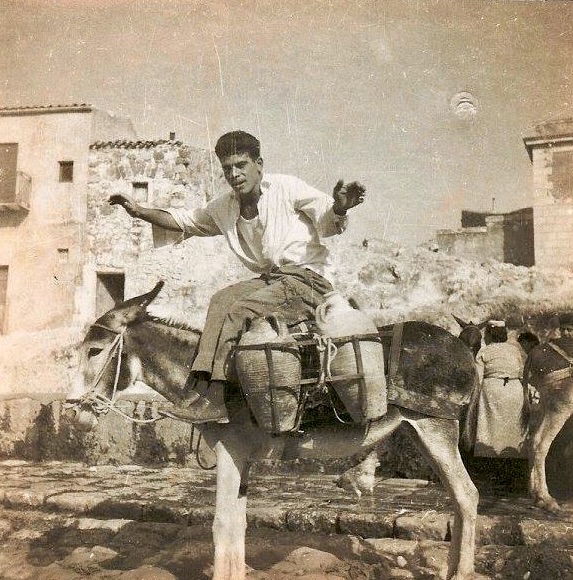
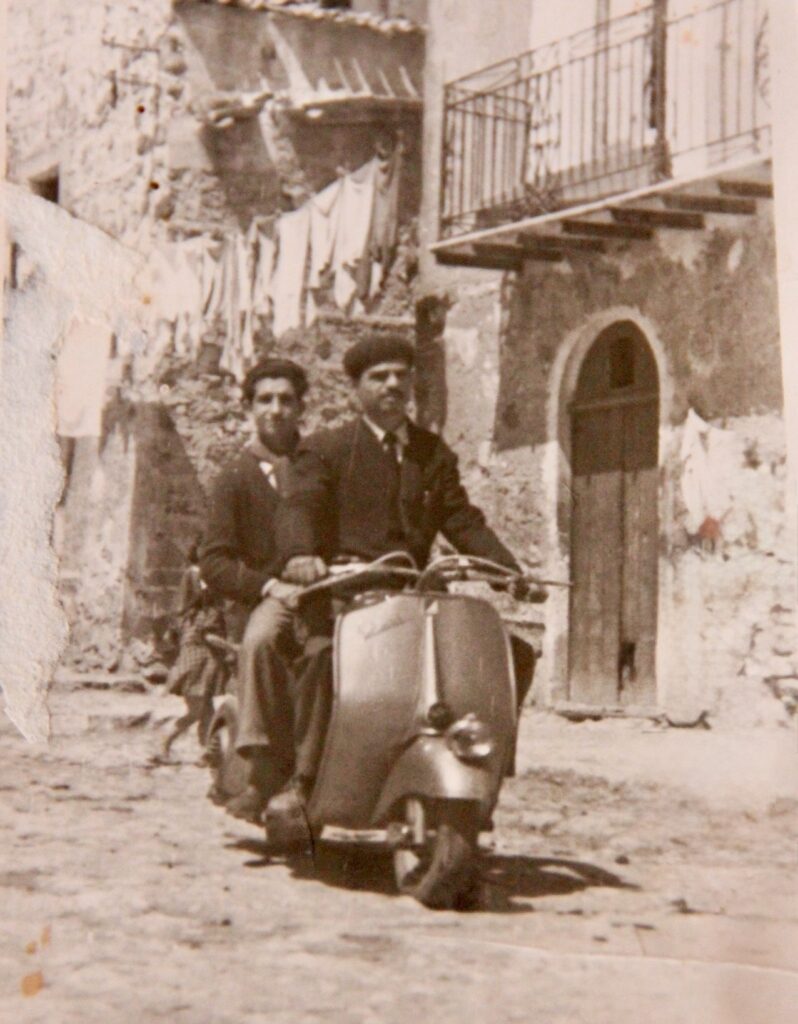
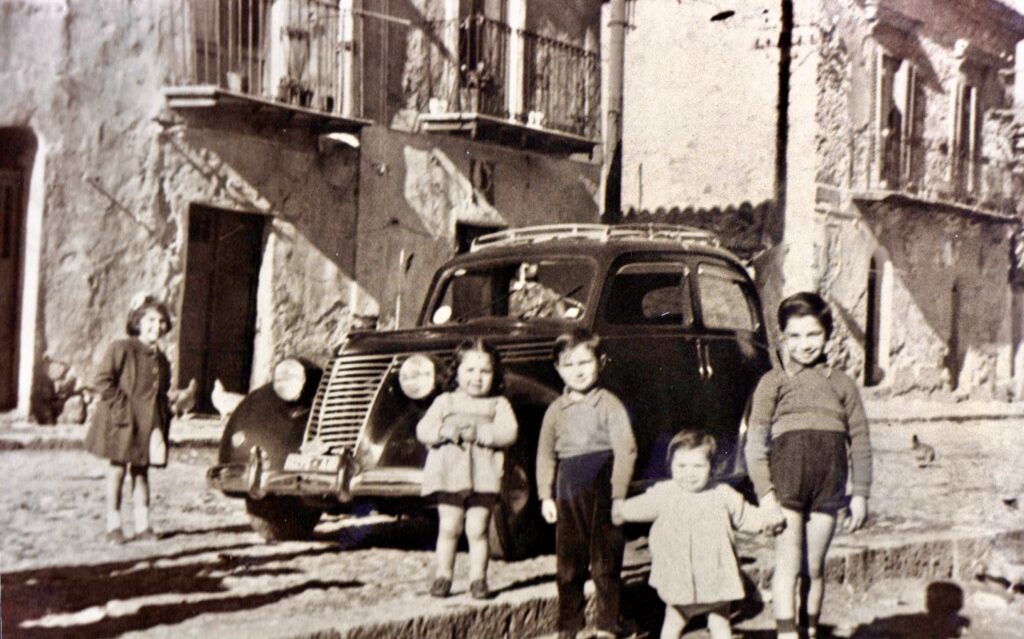
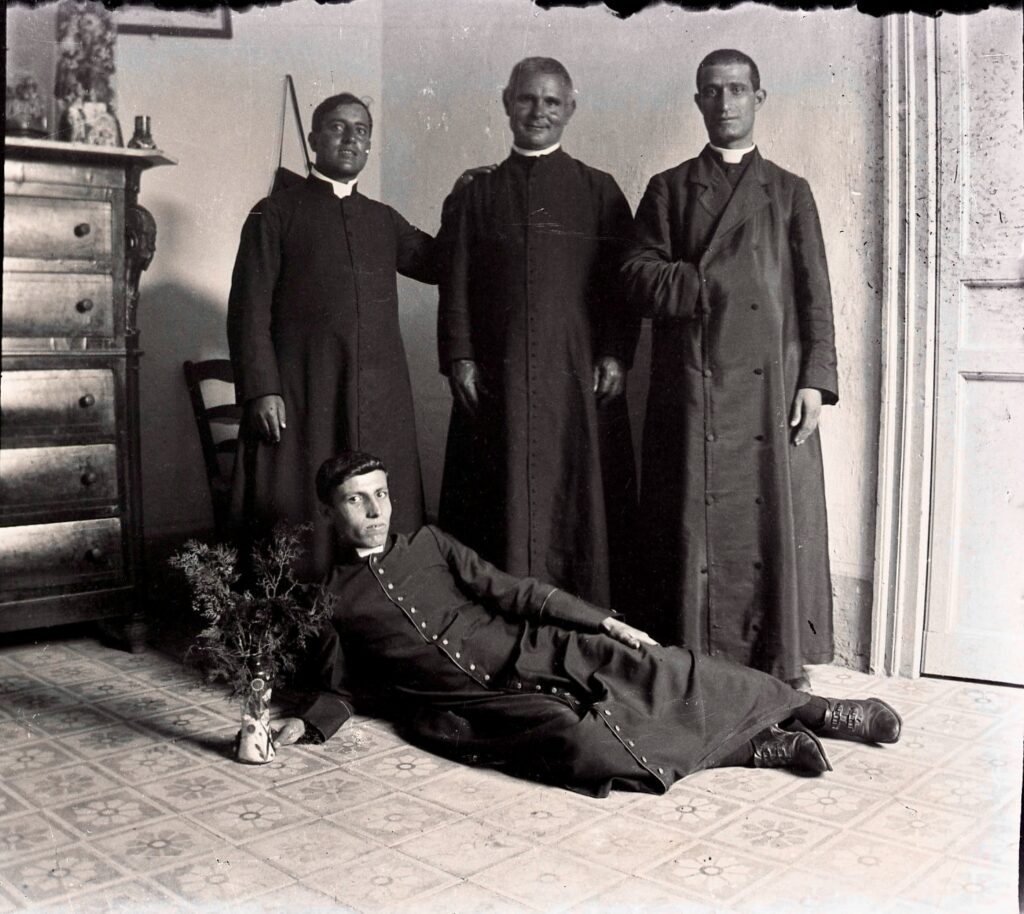
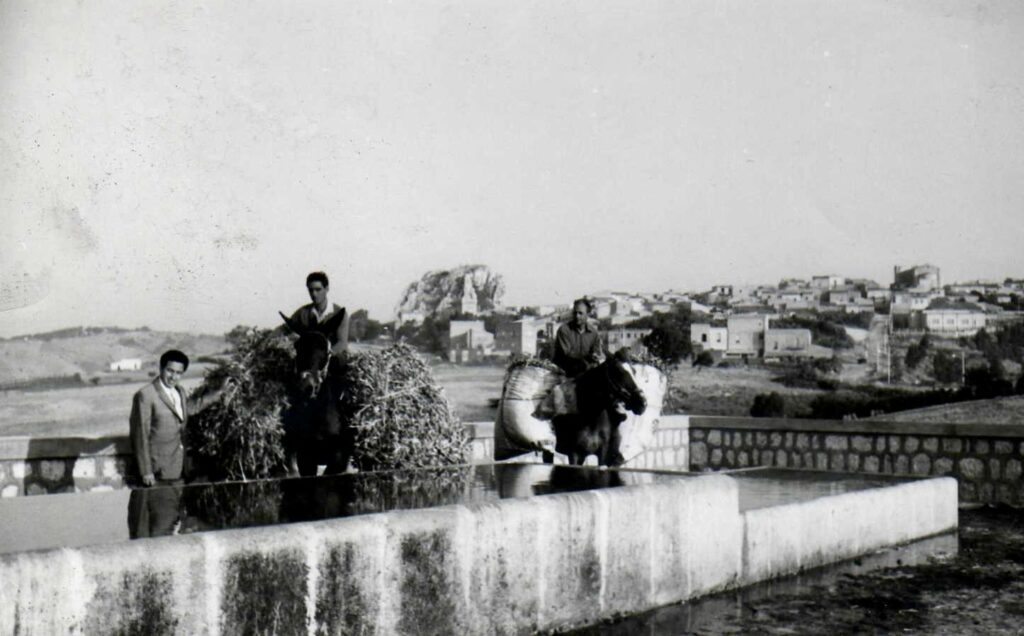
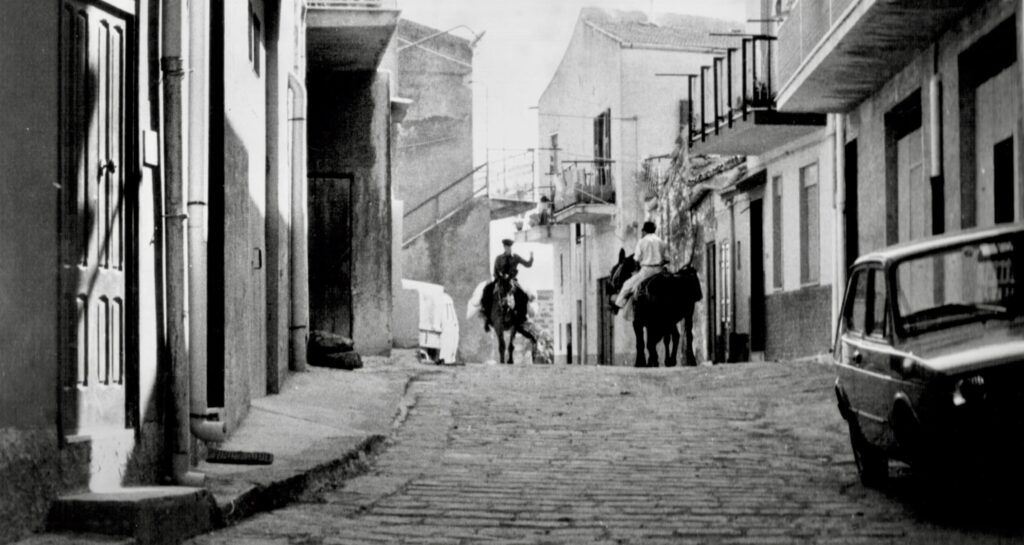
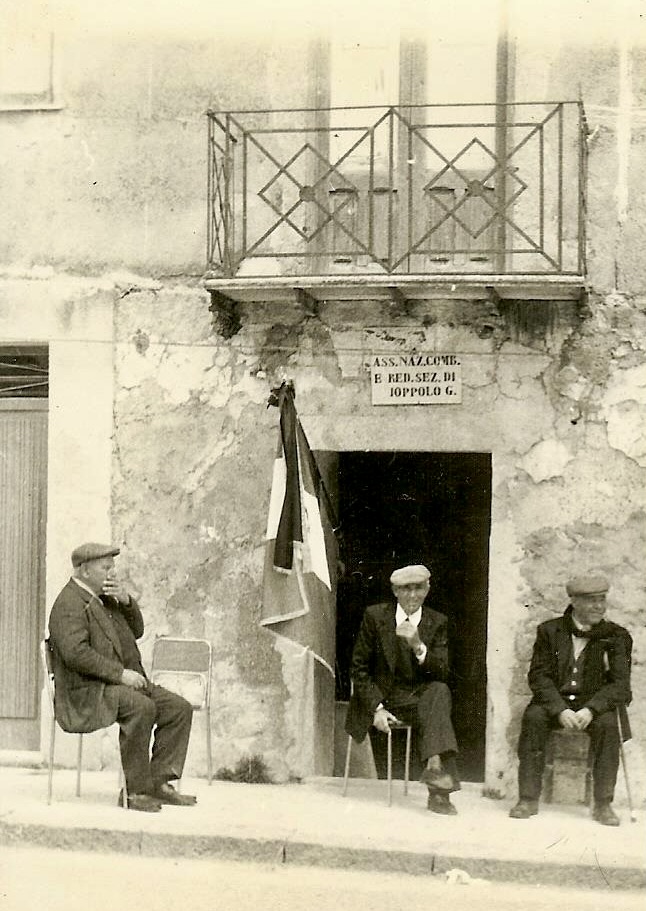
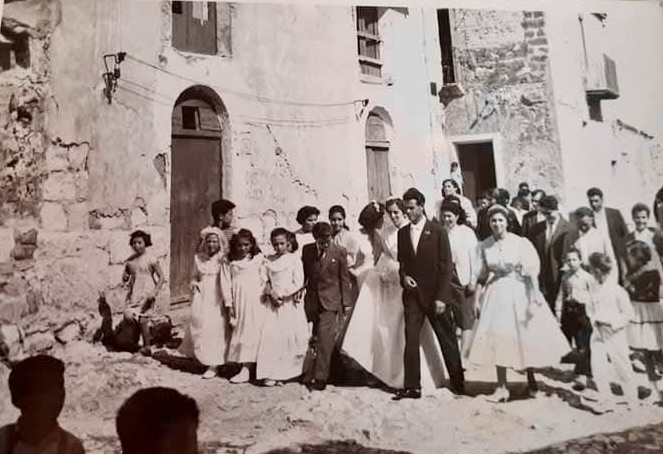
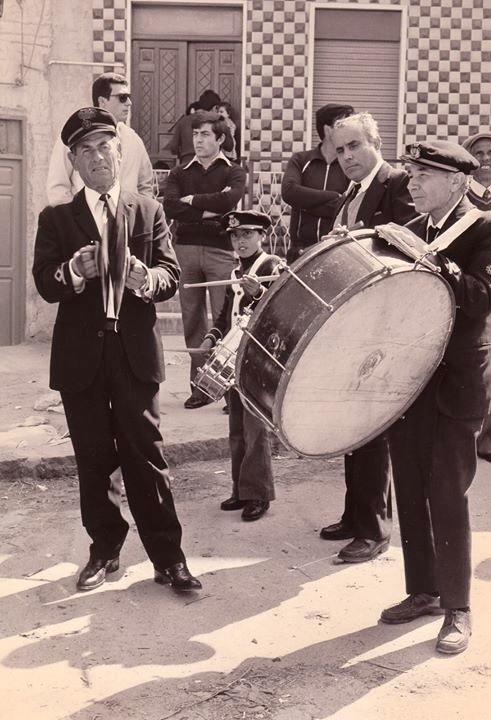
Photos courtesy of the Comune di Joppolo Giancaxio (AG) and Carmelo Cacciatore.